Stakeholder
Operations & Asset Management
For teams responsible for keeping industrial systems running safely, reliably, and supportably while managing operational risk, ageing infrastructure, vendor dependency, and increasing cybersecurity expectations.
Operations snapshot
Operations teams are often expected to improve cybersecurity around systems that cannot easily be replaced, cannot tolerate unnecessary downtime, and still need to remain maintainable long after projects complete.
Many environments already contain a mixture of legacy PLCs, unsupported operating systems, temporary remote access arrangements that became permanent, undocumented infrastructure, supplier-managed equipment, and operational workarounds developed over many years of live operation.
Meridian provides engineering-led OT cybersecurity support that works within those operational realities rather than ignoring them.
Continuity
Keep systems running safely while security expectations increase.
Legacy systems
Work around ageing assets, unsupported platforms, and limited outage windows.
Vendor access
Clarify remote access, supplier routes, accounts, and ownership.
Supportability
Make improvements that remain maintainable after projects complete.
What operations teams are usually dealing with
Operations and asset management teams are often balancing practical constraints that do not appear in a simple cybersecurity action list.
- Maintaining uptime while security expectations increase
- Limited outage windows for improvement work
- Pressure to implement security controls without disrupting process availability
- Supporting ageing systems that cannot realistically be upgraded without operational risk
- Maintaining supportability after projects and modifications are complete
- Managing infrastructure that evolved over years rather than being designed as a complete architecture
- Managing vendor remote access into operational environments
- Operational systems with unclear ownership or support responsibility
- Supplier dependency for specialist platforms and control systems
- Incomplete drawings, network records, or asset visibility
- Limited visibility of what exists inside the live environment
- Unclear evidence for maintenance, troubleshooting, or assurance activity
Common operational concerns
“If we change this, what breaks?”
“Will the vendor still support the system afterwards?”
“Can this realistically be implemented during an outage?”
“Who actually owns this remote access connection?”
“Do we have accurate network drawings?”
“Is this a genuine operational risk or a compliance exercise?”
“How do we improve security without making maintenance harder?”
“Who supports this system after the project team leaves?”
Operationally realistic OT cybersecurity support
Meridian focuses on practical risk reduction that fits live industrial environments.
The objective is not to introduce theoretical controls that look good in a report. The objective is to reduce unnecessary exposure while keeping systems stable, supportable, and operationally workable.
This means understanding
- outage constraints
- brownfield engineering realities
- supplier dependency
- operational continuity requirements
- long-term maintainability
- engineering resource limitations
- change control expectations
- safety and production priorities
How Meridian helps
Review
- Review exposed OT systems and support pathways around live operational constraints
- Identify unmanaged industrial assets, undocumented switches, engineering workstations, and vendor access routes
Clarify
- Clarify ownership of remote access, accounts, support arrangements, and operational responsibilities
- Bridge communication gaps between operations, engineering, projects, vendors, and cybersecurity teams
Reduce exposure
- Reduce unnecessary exposure without introducing operational fragility
- Produce prioritised improvement actions aligned to outage windows and available site resource
Produce evidence
- Improve network and system documentation so environments remain supportable after changes are made
- Support operational decision-making with clear and proportionate risk information
Typical operational situations
- Vendor remote access has accumulated over several years with limited visibility or ownership clarity
- New projects introduce additional switches, firewalls, or remote connectivity without clear long-term ownership
What good looks like
OT systems remain stable and supportable after cybersecurity improvements
Remote access pathways are documented, controlled, and operationally understood
Cybersecurity improvements are prioritised around realistic outage opportunities
Operations teams understand the operational impact of identified risks
Documentation supports future maintenance, troubleshooting, and assurance activities
Security controls are proportionate to operational reality
Ownership of systems, access, and support responsibilities is clear
Improvements reduce exposure without introducing unnecessary complexity
Related industries
These sectors commonly create the operating constraints, supplier dependencies, and assurance pressures relevant to operations and asset management teams.

OT cybersecurity support for gas transmission, energy infrastructure, compressor control, telemetry, vendor access, safety interfaces and assurance requirements.
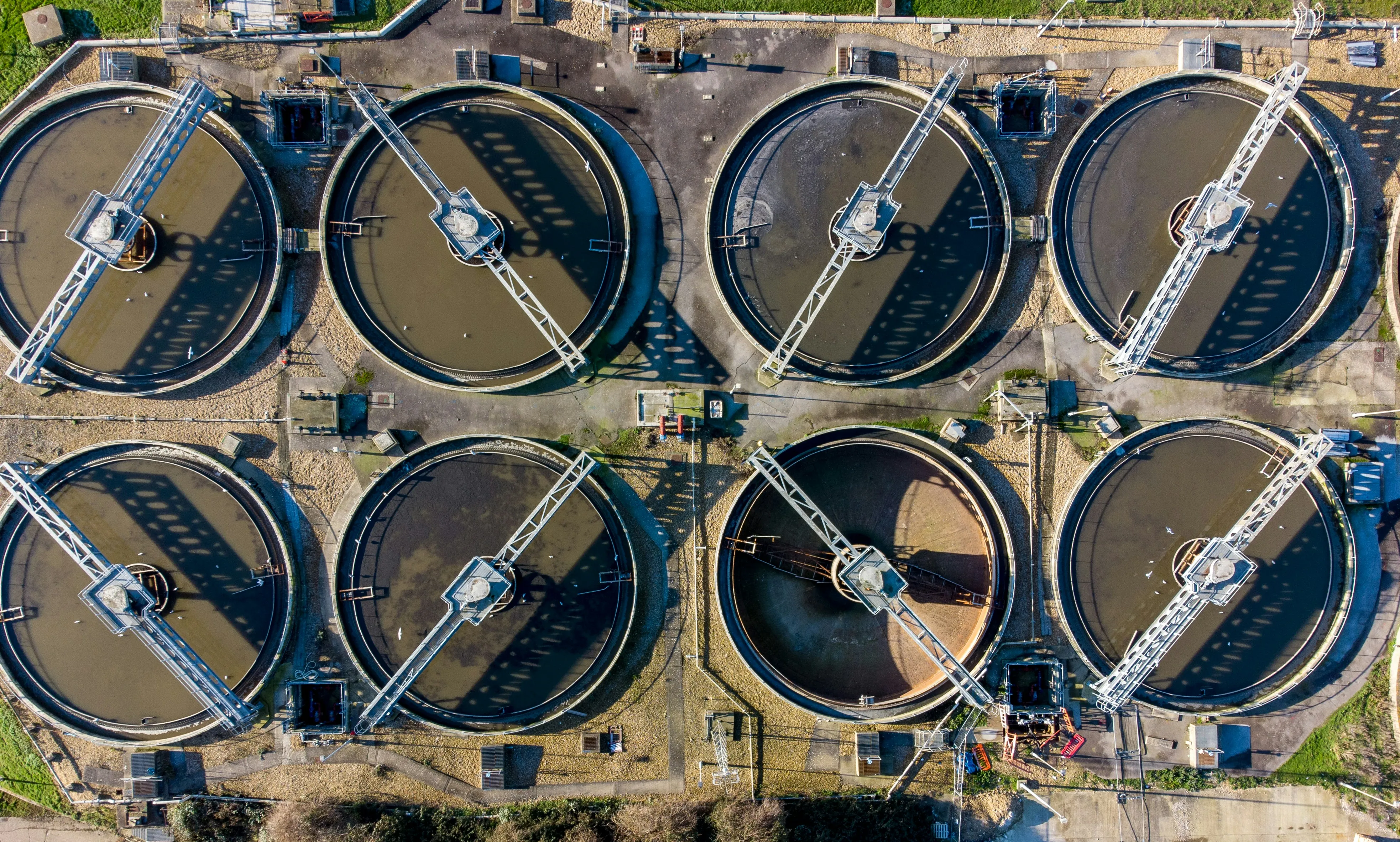
Cybersecurity and documentation support for remote pumping stations, telemetry, legacy PLCs, mixed vendor estates, and ageing SCADA platforms.

Practical support for production network segmentation, supplier-maintained machinery, engineering laptops, and line-level downtime risk.
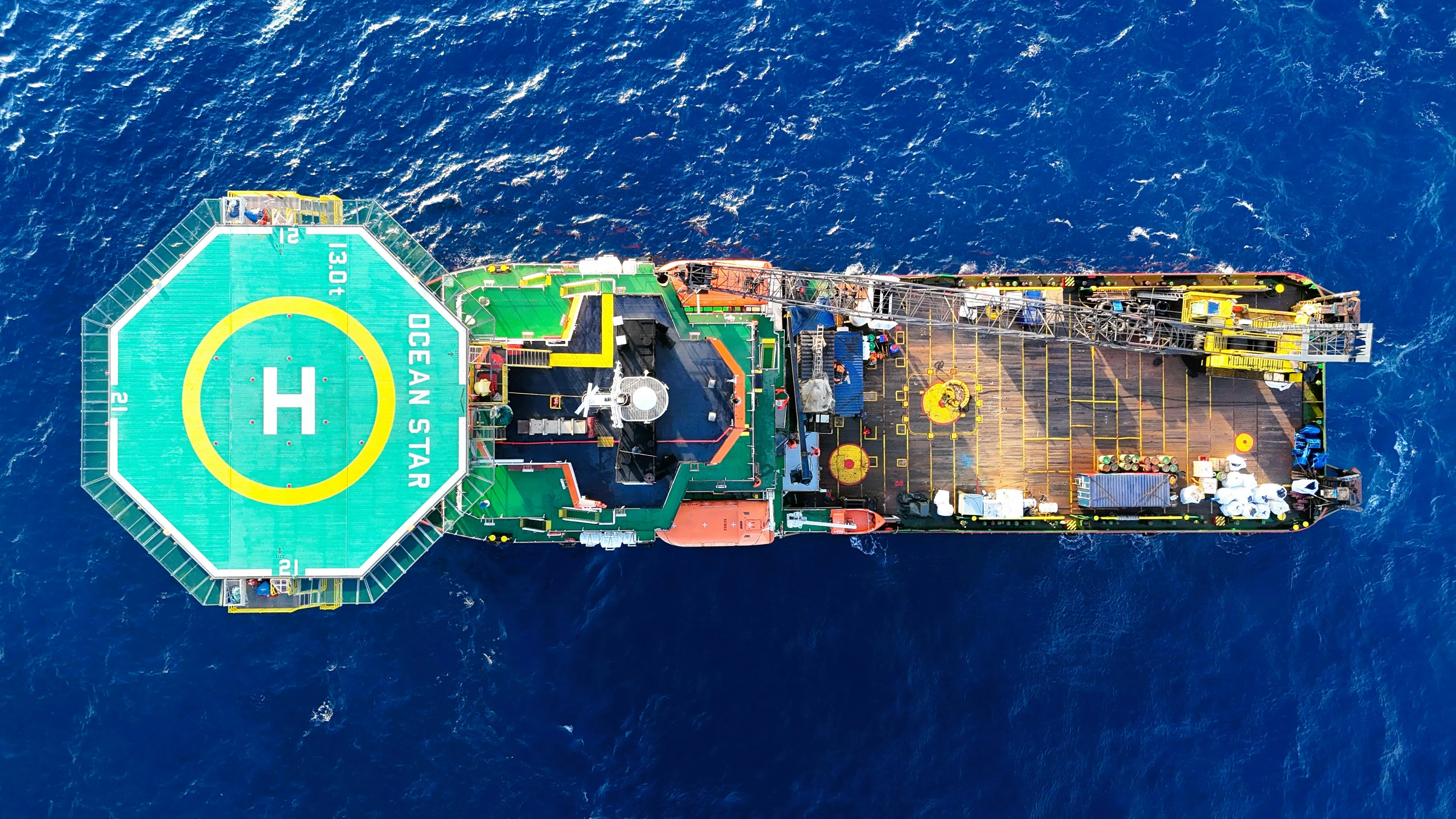
Assurance for vendor package systems, remote support links, strict change control, safety interfaces, and constrained maintenance windows.
Related services
These service areas are usually the most relevant starting points for operational cybersecurity support.
Engineering-led assessment of OT architecture, assets, remote access, hardening, legacy constraints, and practical risk reduction opportunities.
Zones, conduits, architecture drawings, firewall schedules, and migration planning for live industrial networks.
Meridian Consultants provides engineering-led OT cyber risk assessments for industrial control systems, supporting project teams, asset owners and suppliers who need to understand cybersecurity risk in the context of safety, operations, availability and real engineering constraints. Assessments can be aligned with IEC 62443, the Cyber Assessment Framework and other applicable requirements depending on the site, sector, project stage and assurance need.
Network drawings, IP schedules, firewall schedules, interface registers, cybersecurity procedures, and FAT/SAT documentation that support assurance and maintainability.
Discuss operational OT cybersecurity constraints
Book a technical discovery call to discuss operational constraints, support paths, evidence gaps or practical next steps without sharing sensitive site details.